
Serendip is an independent site partnering with faculty at multiple colleges and universities around the world. Happy exploring!

Appiah asks us to live together...
Appiah asks us to live together, to familiarize, to understand. We don't have to agree and we don't need to reach a consensus. We just need to appreciate the thoughts and motivations of another perspective.
Talking about "The Path to Paradise" make me think about a graphic narrative by Joe Sacco, a journalist/cartoonist who started illustrating his projects and pieces because he found journalist work less engaging.

Notes 11/2
TyL: including outside information would have ruined the interior perspective, the stream of consciousness, the idea that Tarnation is access to Caoutte’s interior canon his frame of reference
Anne: weren’t we/ were we disturbed by the inability to know… did his grandparents?
veritatemdilexi: experience as conversation stopper,

Shared and Subjective Truth in 'The Path to Paradise'
As is the basis of many faith and affinity groups, the purpose (or truth, if you will) of the gathering is shared among the participants. The shaheed Berko interviews share similar perspectives and must, in the end, all hold the same idea that it is glorious to die in the service of Allah by eradicating Jews. As Anne and I have been discussing in the comments on my second webpaper, the group-think aspect of shared truth presents a unique set of issues, not the least of which is how to authenticate or validate truths when the only checks/balances are one's compatriots. When we all believe the same thing, we are no longer checking the truth critically but instead accept the common status-quo ideas.


Bully/ Bullied
In my education class, we were discussing bullies and the students they bully. One of the questions asked as a conversation starter, was whether bullies or the bullied deserved more attention in a school/ class setting. As in, who is the victim in the a bullying situation? and who deserves more attention?
As I was reading Path to Paradise, I thought, "Could we all be victims? Victims of the environments that surround us and the pressures that are imposed on us to maintain certain standards?"


Remote Ready Biology Learning Activities
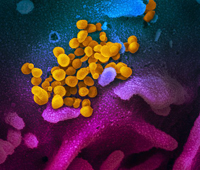
Remote Ready Biology Learning Activities has 50 remote-ready activities, which work for either your classroom or remote teaching.
What's New? Subscribe to Serendip Studio
A Random Walk
New Topics
-
1 day 1 hour ago
-
1 week 2 days ago
-
1 week 2 days ago
-
1 week 2 days ago
-
1 week 2 days ago
