“A Leaf of Air”: From Milking the Cows to Milking the Tourists
By Anne DalkeOctober 29, 2006 - 16:52
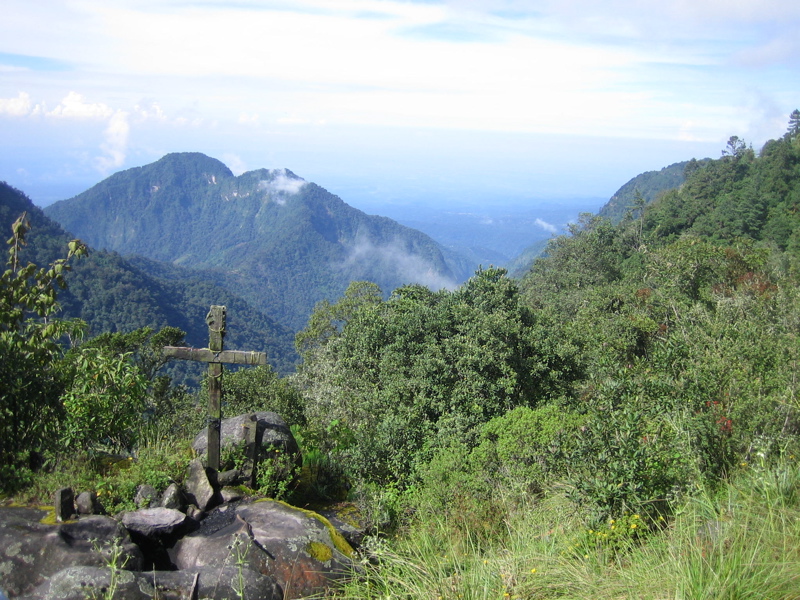
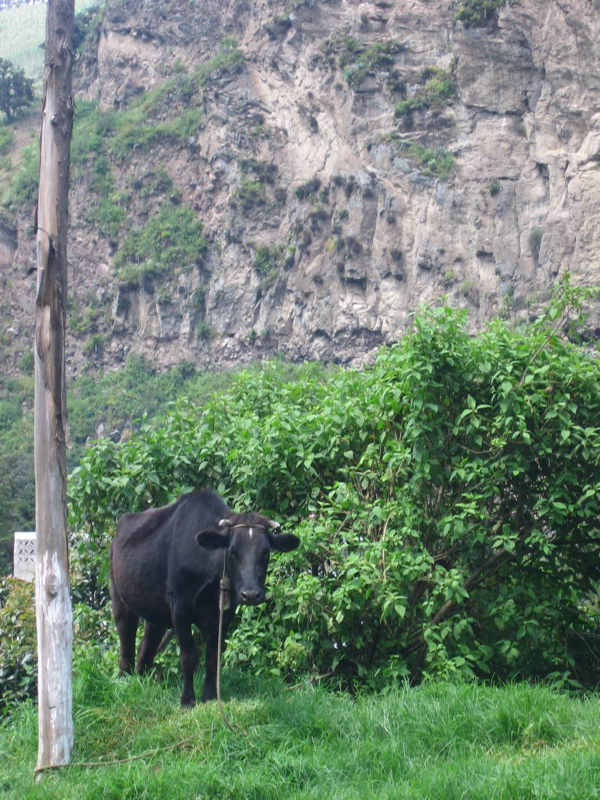 When we moved to Costa Rica, we moved from the cities of Antigua and Xela (where we’d been living in Guatemala)—to a very rural area, some four hours (two of them on dirt roads) from the capital.
We quickly found out that all the addresses here are given in relative terms (the directions to our homestay were to go “50 meters north and 25 meters west of Pizzeria de Johnny”). We left cobblestones for dirt roads, cramped streets for wide vistas (oh, these sunsets!).
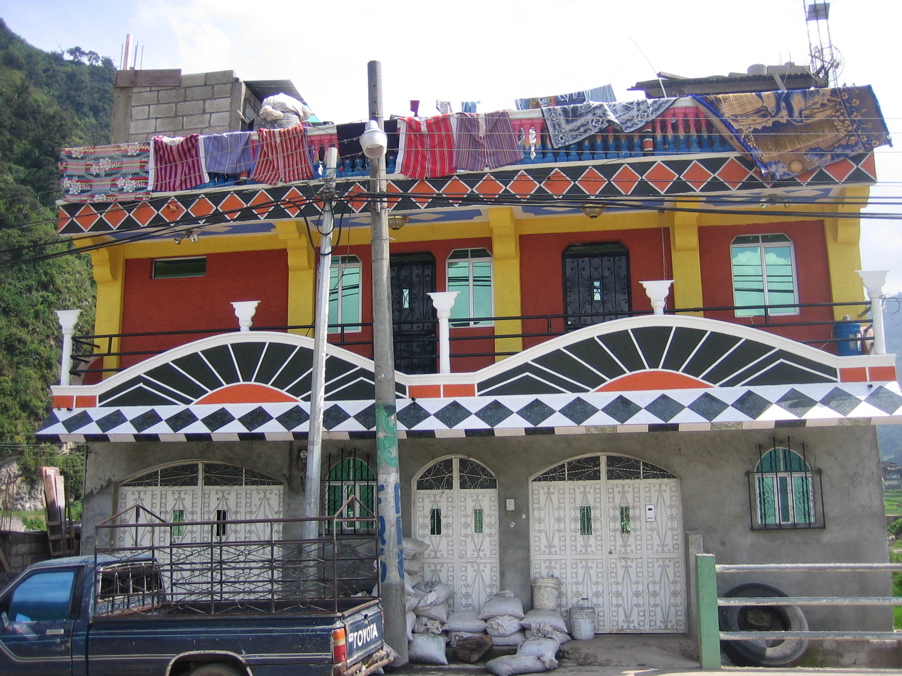 Transitions have always been very difficult for me (and seem to become even more difficult, more un-settling as I age and settle into the patterns of my life). Our re-location this past weekend, from Guatemala for Costa Rica, was no exception. I really did not want to leave Xela, our family and the school there. Landing in San Jose, Costa Rica was a real culture shock: it felt so cleaned up, so “smart”-looking--as though we’d returned to the USA.
 We spent our last evening in Guatamala @ a festival of poetry and music, in honor of two university students, René Leiva Cayax and Danilo Alvarado, who were kidnapped and killed in 1987—and whose deaths inspired the establishment of our school. It was an emotional night, with wonderful music, melodramatic recitations of poetry and very moving speeches by the students’ family members…
 We arrived in Xelaju smack in the middle of the yearly celebration of the fiesta of Our Lady of the Rosary. At first we were confused—we knew about the fiesta of the Virgin of Guadalupe, in December, and this seemed to be the same…
 Well, I hit a wall this week with my Spanish: started Friday’s class with all sorts of approbation for the good stories I write, and ended it by failing an exam on the irregular pretérito. I’m used to a quick student, and a good student, so all the difficulties I’m having acquiring a new language @ my age and station have me pretty flummoxed—I feel like such a failure!

 This statue in the Parque Centro America, in the center of Xela, commemorates the work of a political activist, “the favorite daughter of Xelaju,” Elisa Molina de Stahl (Doña Elisa, as she is known here). According to my teacher, there was a great uproar in Xela when Rigoberto Minchú received the Nobel Peace prize; everyone in Xelu thought that it would have been more justly awarded to Doña Elisa (but had not been, because she was wealthy, and Minchú had suffered…)